Category: AC Installation

  • Essential Air Conditioning Maintenance Tips For Maximum Cooling

    Essential Air Conditioning Maintenance Tips For Maximum Cooling

    A comfortable home atmosphere, energy savings, and peak performance all depend on routine air conditioning maintenance. Making maintenance a priority can help you avoid malfunctions, save money on your electricity costs, and have a system that lasts longer. 

    This tutorial will go over the primary arguments for the need of maintenance as well as helpful advice for maintaining the best possible condition of your air conditioning system!

    Why Regular Air Conditioning Maintenance Matters 

    • Improved Energy Efficiency

    A well-maintained AC system runs more efficiently, consuming less energy to cool your home. When filters, coils, and other components are clean and in good working order, the AC doesn’t have to work as hard, resulting in lower energy consumption and reduced utility bills. This efficiency not only keeps your home comfortable but also helps you save significantly on energy costs.

    • Longer Lifespan

    Regular maintenance can add years to your AC’s lifespan. Like any other appliance, an air conditioner will wear down faster if it’s overworked due to poor maintenance. By keeping your unit in optimal condition, you can avoid premature wear and ensure it serves you well for years, delaying the need for a costly replacement.

    • Enhanced Indoor Air Quality

    Air conditioners filter the air circulating through your home, trapping dust, pollen, and other allergens. However, a dirty filter cannot effectively capture pollutants, which can negatively impact indoor air quality. Regularly changing or cleaning the filter is crucial for maintaining clean, healthy air in your home, especially for households with allergy sufferers.

    • Preventative Measures

    Maintenance is not just about efficiency; it’s about prevention. Regular upkeep allows you to catch small issues before they become costly problems. By proactively addressing potential issues, you can avoid emergency repairs and save yourself from the inconvenience of an unexpected breakdown during peak summer months.

    Essential Maintenance Tips For Air Conditioning Maintenance

    1. Clean or Replace Filters Regularly

    The filter is one of the most critical components of an AC unit. It traps dust, pollen, and other particles, ensuring that clean air circulates in your home. A clogged or dirty filter reduces airflow, causing the AC to work harder and consume more energy.

    • Importance of Clean Filters: Clean filters improve air quality, enhance cooling efficiency, and prevent strain on the system.
    • Frequency: Replace or clean filters every 1-3 months, depending on usage and air quality.
    • Choosing the Right Filter: Look for filters with a Minimum Efficiency Reporting Value (MERV) rating suitable for your home, balancing airflow and filtration based on your household needs.
    1. Schedule Professional Tune-Ups

    While DIY maintenance is helpful, professional tune-ups are essential for comprehensive care. Certified technicians can detect issues that might go unnoticed and have the tools to perform deep cleaning and adjustments.

    • Benefits: Professionals provide a thorough inspection, cleaning, and calibration of critical components, improving efficiency and extending lifespan.
    • Key Components Checked: Technicians inspect refrigerant levels, check electrical connections, clean coils, and calibrate thermostats.
    • Recommended Frequency: Schedule a professional tune-up at least once a year, ideally before summer, to ensure peak performance.
    1. Keep the Outdoor Unit Clear

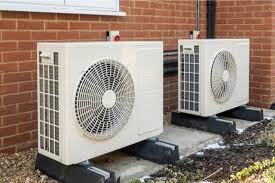
    The outdoor unit, or condenser, needs unobstructed airflow to function correctly. Leaves, dirt, and other debris can accumulate around it, restricting airflow and reducing efficiency.

    • Remove Debris: Regularly clean the area around the unit, removing leaves, dirt, and other debris.
    • Trim Vegetation: Trim bushes and plants to keep at least two feet of clearance around the unit for proper ventilation.
    1. Inspect Ductwork Of Air Conditioning

    Faulty ductwork can leak cool air, making the AC work harder and reducing indoor comfort. Regular inspection and maintenance of ductwork are crucial for efficient cooling.

    • Signs of Damage: Look for signs of leaks, such as uneven cooling, higher energy bills, or visible tears in ducts.
    • Importance of Sealed Ductwork: Sealed ducts prevent cool air from escaping, ensuring efficient cooling throughout your home.
    1. Consider a Smart Thermostat

    A smart thermostat can help you save energy by allowing you to program cooling schedules that match your daily routine.

    • Energy-Saving Benefits: Smart thermostats reduce cooling during periods when you’re not home, significantly cutting down on energy costs.
    • Programming Tips: Set the thermostat to raise the temperature when you’re away and cool the house shortly before you return for optimal efficiency.

    Your Air Conditioning Maintenance Tips To Do At Home

    While professional maintenance is essential, there are simple tasks homeowners can do to keep their AC running smoothly:

    • Cleaning Coils: Use a soft brush or vacuum to gently clean the evaporator and condenser coils, helping to prevent buildup.
    • Checking Refrigerant Levels: While refrigerant adjustments should be handled by professionals, you can visually check for signs of leakage or unusual noise.
    • Inspecting Electrical Connections: Ensure all connections are secure and that there are no visible signs of wear or loose wiring.

    Conclusion – Regular AC Maintenance Offers Improved Energy Efficiency

    In conclusion, there are several advantages to routine AC maintenance, including increased energy efficiency, a longer lifetime, better indoor air quality, and preventative treatment that helps to avoid expensive malfunctions. You can make sure your air conditioner remains in top condition by following easy procedures like changing your filters, planning tune-ups, and checking your system.

    If you’re ready to give your AC the care it deserves, contact Adapt Mechanical Services today. We provide comprehensive air conditioning services, including Air Conditioning Maintenance Dorset, Commercial Air Conditioning Dorset, and Residential Air Conditioning Dorset. Let us help you stay cool all summer long, your comfort is our priority!

  • How Dorset’s Humidity Affects Indoor Air Quality and How to Combat It

    How Dorset’s Humidity Affects Indoor Air Quality and How to Combat It

    Dorset’s coastal climate is known for its beauty, but it also brings high humidity levels that can significantly affect indoor air quality in homes and businesses. High humidity not only creates discomfort but also contributes to various indoor air quality issues, from mold growth to dust mites and allergens. 

    For Dorset residents and business owners, understanding the effects of humidity and learning ways to control it can lead to healthier, more comfortable indoor spaces. Here’s a comprehensive look at how Dorset’s humidity impacts indoor air quality and effective strategies to combat it.

    Understanding Humidity’s Impact on Indoor Air Quality

    Humidity refers to the amount of moisture in the air, and when it exceeds recommended indoor levels (generally 30-50%), it can create several issues. Dorset’s proximity to the sea means that homes and commercial buildings here often experience high humidity, especially during warmer months. Excess moisture in the air affects both comfort and health in the following ways:

    • Mold and Mildew Growth: High humidity provides the perfect environment for mold and mildew to grow, especially in areas like basements, bathrooms, and kitchens. Mold spores in the air can trigger allergies and respiratory issues.
    • Dust Mite Proliferation: Dust mites thrive in humid conditions, particularly in soft furnishings like carpets, mattresses, and upholstery. These microscopic pests can aggravate asthma and allergies.
    • Poor Indoor Odors: Humidity can create musty odors, especially in poorly ventilated areas. These odors not only affect comfort but may also indicate mold growth or other issues.

    Compromised Comfort Levels: High humidity makes indoor spaces feel warmer than they actually are, leading to discomfort and increased reliance on air conditioning.

    Signs of High Humidity in Your Dorset Home or Business

    Recognizing the signs of excess humidity is the first step in improving indoor air quality. Common indicators of high humidity include:

    • Condensation on Windows: Persistent condensation on windows is a sign that humidity levels are too high indoors.
    • Musty Smells: Unpleasant odors can be a sign of mold or mildew growth due to excess moisture.
    • Damp or Mold Spots: Dark spots on walls, ceilings, or floors indicate areas where mold and mildew may be growing.
    • Increased Allergy Symptoms: If you notice increased allergy symptoms like sneezing, coughing, or itchy eyes, high humidity may be encouraging dust mites and allergens.

    Effective Solutions to Combat High Humidity

    Controlling humidity levels in your Dorset home or business is essential to improve indoor air quality and create a comfortable, healthy environment. Here are some practical solutions:

    • Dehumidifiers

    Dehumidifiers are effective at reducing indoor humidity by drawing moisture from the air. Portable dehumidifiers can be placed in areas prone to moisture, such as basements or bathrooms, while whole-home dehumidifiers work in tandem with HVAC systems to maintain balanced humidity throughout the space.

    • Ventilation Systems

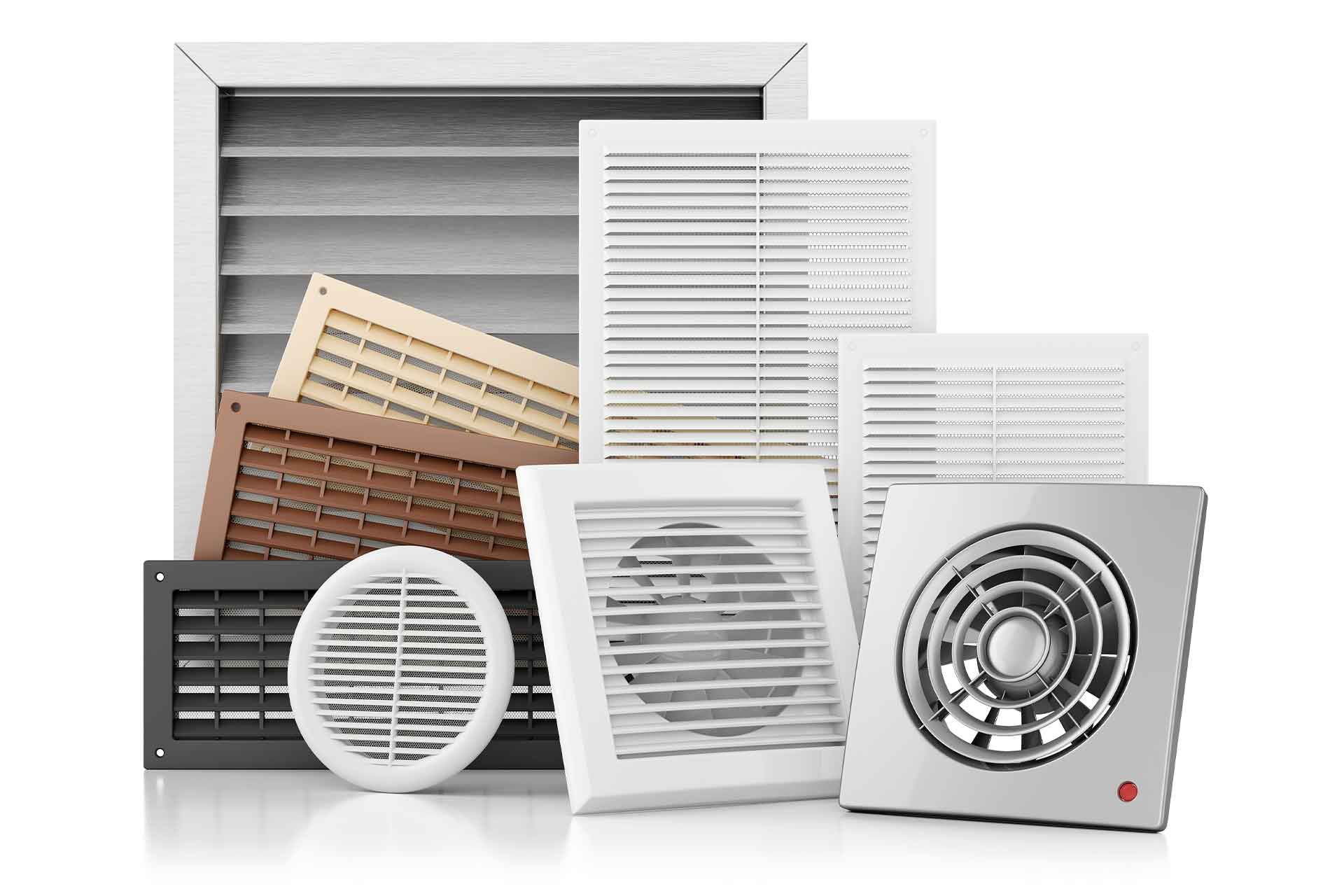
    Proper ventilation helps to remove excess moisture from the indoor environment, particularly in high-humidity areas like kitchens and bathrooms. Installing exhaust fans or whole-house ventilation systems can help expel moist air and bring in fresh air, reducing humidity levels and improving indoor air quality.

    1. Air Conditioners with Humidity Control

    Modern air conditioning systems often come equipped with humidity control settings that allow you to reduce indoor humidity while cooling the air. In Dorset’s humid climate, investing in an energy-efficient air conditioner with humidity control can be an excellent way to ensure a comfortable indoor environment.

    • Seal Air Leaks

    Air leaks around windows, doors, and ductwork can let humid outdoor air into your home or office, raising indoor humidity levels. Sealing these leaks with weather stripping or caulking can prevent excess moisture from entering and help maintain indoor air quality.

    • Indoor Plants to Absorb Moisture

    Certain indoor plants, like peace lilies and Boston ferns, naturally absorb moisture from the air. While they won’t eliminate high humidity, they can help reduce moisture levels slightly, and they also improve indoor air quality by filtering out pollutants.

    • Regular HVAC Maintenance

    Your HVAC system plays a crucial role in maintaining indoor air quality, and regular maintenance ensures it’s working efficiently. Dirty filters and clogged coils can contribute to poor air circulation and reduced humidity control, so scheduling routine maintenance is key to optimal performance.

    Here Are The Key Benefits of Controlling Humidity in Dorset

    By managing humidity levels in your Dorset home or business, you can experience several benefits:

    • Improved Air Quality: Reducing mold, mildew, and allergens results in cleaner, healthier indoor air.
    • Enhanced Comfort: Proper humidity levels make indoor spaces feel cooler and more comfortable, especially during summer.
    • Reduced Energy Costs: With lower humidity levels, air conditioners don’t have to work as hard, resulting in energy savings.
    • Increased Property Value: A well-maintained, mold-free home or office with balanced humidity levels is more attractive to potential buyers or tenants.

    Adapt Mechanical Services: Your Solution for Indoor Air Quality in Dorset

    At Adapt Mechanical Services, we offer tailored solutions to improve indoor air quality and manage humidity in Dorset homes and businesses. Our expert team provides dehumidifier installations, HVAC maintenance, and ventilation system upgrades to ensure a comfortable, healthy indoor environment. Contact us today to find the best solution for your indoor air quality needs!

  • Energy-Efficient Air Conditioning Solutions for Dorset Homes and Businesses

    Energy-Efficient Air Conditioning Solutions for Dorset Homes and Businesses

    With rising energy costs and increasing environmental concerns, finding energy-efficient air conditioning solutions has become a priority for many in Dorset. Modern air conditioning systems are not only more sustainable but also more cost-effective in the long run. 

    By investing in energy-efficient AC options, Dorset homeowners and businesses can enjoy a comfortable indoor climate without compromising on utility bills or environmental impact. Here’s what you need to know about energy-efficient air conditioning options in Dorset and how they can benefit you.

    Why Energy-Efficient Air Conditioning Matters

    Energy-efficient air conditioning systems are designed to reduce energy consumption while providing optimal cooling performance. With an efficient system, you can maintain a pleasant temperature throughout your home or business, even during the hottest months, while using less energy. For both Dorset residents and business owners, this translates to substantial savings on electricity bills and a smaller carbon footprint.

    Energy-efficient air conditioning systems have gained popularity in Dorset for several reasons:

    • Cost Savings: Lower energy consumption means lower monthly bills.
    • Environmental Impact: Reduced energy use minimizes greenhouse gas emissions.
    • Enhanced Comfort: Modern energy-efficient systems are quieter and more effective, ensuring consistent cooling.
    • Increased Property Value: Homes and businesses with high-efficiency systems tend to have higher property values.

    Key Features of Energy-Efficient Air Conditioning Systems

    Today’s air conditioning systems incorporate advanced technology to ensure efficiency. Here are some of the top features that make these systems a smart choice:

    • Inverter Technology: Air conditioners with inverter technology adjust their cooling capacity according to the room’s temperature needs, preventing frequent start-stop cycles that consume more power.
    • Variable-Speed Compressors: Variable-speed compressors allow the system to run at the optimal speed, reducing energy consumption while providing consistent cooling.
    • High SEER Ratings: Seasonal Energy Efficiency Ratio (SEER) ratings help you gauge the efficiency of an air conditioning unit. Higher SEER-rated systems are more efficient and are typically recommended for Dorset’s varying climate.
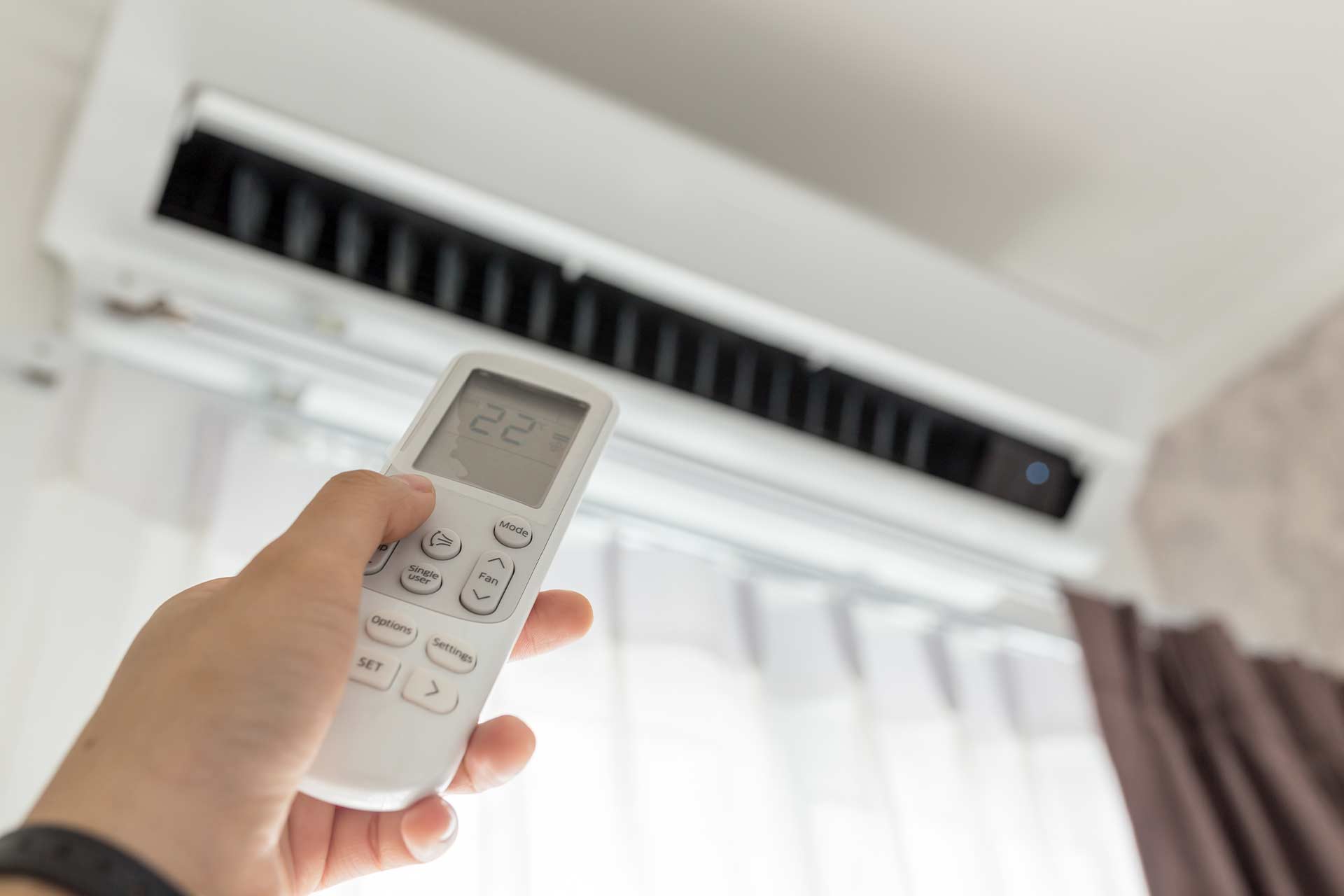
    • Smart Thermostats: A smart thermostat allows you to program and control your air conditioner remotely, helping you optimize cooling only when needed, thus saving energy.
    • Eco-Friendly Refrigerants: Energy-efficient air conditioning units often use eco-friendly refrigerants like R-410A, which have a lower environmental impact compared to older refrigerants.

    Energy-Efficient Air Conditioning Solutions for Dorset Homes

    For residential properties in Dorset, choosing an energy-efficient air conditioning system is an investment that offers long-term returns. Options include:

    • Ductless Mini-Split Systems: Ideal for homes without existing ductwork, ductless mini-split systems provide targeted cooling to specific rooms or zones, reducing unnecessary energy use.
    • High-Efficiency Central Air Conditioning: These systems are perfect for larger Dorset homes. With a high SEER rating and advanced features, they provide efficient cooling for the entire home.
    • Hybrid Cooling Systems: Hybrid systems combine an electric air conditioner with a traditional gas furnace, switching between the two based on temperature needs, which optimizes energy use.

    Energy-Efficient Air Conditioning for Dorset Businesses

    Businesses in Dorset can benefit immensely from energy-efficient air conditioning systems. Some ideal choices for commercial properties include:

    • Variable Refrigerant Flow (VRF) Systems: VRF systems are highly adaptable, allowing multiple indoor units to run on one compressor. They adjust cooling levels based on occupancy and room temperature, making them ideal for offices, retail spaces, and hotels.
    • Packaged HVAC Units: For larger commercial buildings, packaged HVAC systems offer both heating and cooling in one unit. These systems are designed for efficiency and can be customized to suit specific business needs.
    • Rooftop Units: Rooftop units are commonly used in Dorset’s commercial properties due to their energy efficiency and space-saving design. They provide reliable cooling for large spaces, reducing the need for multiple smaller units.

    Tips for Maximizing Air Conditioning Efficiency

    Once you’ve installed an energy-efficient air conditioning system, regular maintenance is key to ensuring optimal performance. Here are a few tips to help you maximize efficiency:

    • Regular Filter Changes: Dirty filters restrict airflow, making the system work harder and use more energy. Change filters every few months for optimal performance.
    • Routine Professional Maintenance: Regular check-ups help detect issues early, keeping your system running efficiently.
    • Use Programmable Thermostats: A programmable or smart thermostat ensures you’re not wasting energy cooling unoccupied spaces.
    • Seal Air Leaks: Ensure doors, windows, and ductwork are sealed to prevent cool air from escaping, reducing the workload on your system.

    Experience Energy Efficiency with Adapt Mechanical Services

    At Adapt Mechanical Services, we provide customized, energy-efficient air conditioning solutions for Dorset homes and businesses. Whether you’re looking to install a new system or upgrade an existing one, our expert team is here to help you find the best solution tailored to your needs. Contact us today to start your journey towards a cooler, more energy-efficient space.

  • Residential vs. Commercial Air Conditioning Systems: Key Differences Explained

    Residential vs. Commercial Air Conditioning Systems: Key Differences Explained

    Whether at home or at business, air conditioning systems are essential to preserving interior comfort. However, the types of air conditioning systems installed reflect the major differences between the demands of a business building and a residential home. Although temperature control and comfort are the goals of both systems, their size, design, complexity, and performance requirements differ.

    Here let’s figure out the key differences between residential and commercial air conditioning systems, helping you understand which system suits your needs and how each operates.


    1. Considering the System Size and Capacity

    One of the most obvious differences between residential and commercial air conditioning systems is the size and capacity.

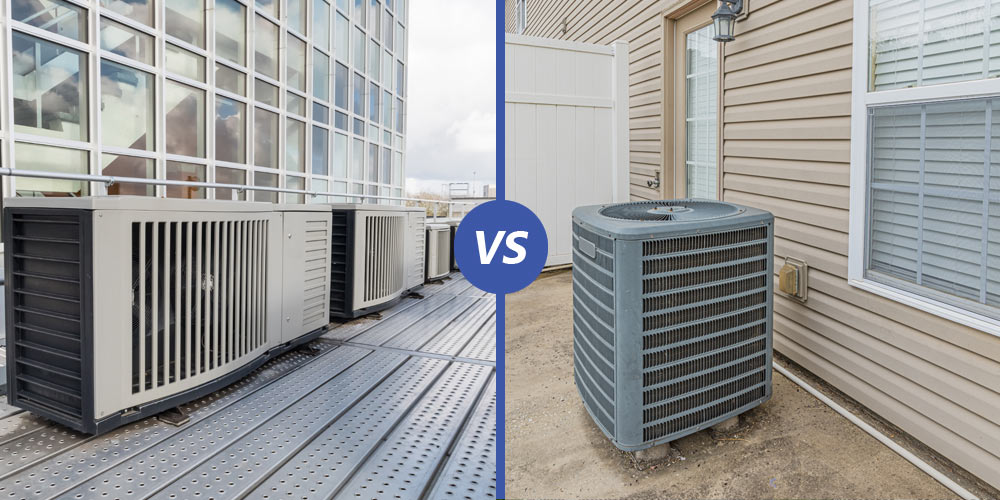
    • Residential Air Conditioning: Designed for smaller spaces like homes or apartments, residential units are typically smaller in size and have a lower capacity. They are built to cool single-family homes and are easy to install and maintain.
    • Commercial Air Conditioning: Commercial systems are significantly larger and have much higher cooling capacities since they are responsible for maintaining comfortable temperatures in large spaces, such as offices, retail stores, factories, or multi-story buildings. These systems are built to handle heavy usage and extended hours of operation, making them more complex and durable than residential units.


    1. Know The Difference To Tackle Complexity of Installation

    Another major difference between residential and commercial air conditioning systems lies in the complexity of installation.

    • Residential Installation: Residential AC units are relatively simple to install. Typically, a technician will install the outdoor compressor, connect it to the indoor air handler, and set up the necessary ductwork. Most residential installations are straightforward and do not require special zoning or custom setups.
    • Commercial Installation: In contrast, commercial systems often require much more complex installation processes. Many commercial systems need custom ductwork, multiple zones, and large-scale installations that span across several floors. Additionally, commercial properties may need specialized units, such as rooftop systems, which require crane installation and reinforcement of structural elements.


    1. System Design and Configuration Of Air Conditioning Systems

    The design and configuration of air conditioning systems also vary greatly between residential and commercial units.

    • Residential AC Design: Residential air conditioning systems are typically single-phase units designed to cool individual homes or apartments. These systems are simple in design, with a basic thermostat that controls the cooling system for the entire house.
    • Commercial AC Design: Commercial systems are often designed with multiple zones, allowing different areas of a building to be cooled independently. These systems are typically three-phase units that can handle higher loads and operate for longer periods. Commercial systems may also include advanced control systems to regulate temperature, humidity, and air quality across various sections of a large building.


    1. Maintenance and Repair Needs For Systems Differ

    The maintenance and repair requirements of residential and commercial air conditioning systems differ due to their size and complexity.

    • Residential Maintenance: Residential systems are easier to maintain, requiring regular filter changes, coil cleaning, and occasional professional servicing. Repairs are generally less frequent and less costly than those for commercial systems due to the smaller scale and less intensive usage.
    • Commercial Maintenance: Commercial air conditioning systems require more frequent maintenance and are often part of a long-term maintenance plan. These systems undergo higher stress from continuous use and large operational spaces, so their components, such as compressors and fans, must be inspected regularly. Maintenance tasks for commercial systems are also more complex and expensive, often requiring specialized technicians.


    1. Energy Efficiency For Both Air Conditioning Systems

    Both residential and commercial air conditioning systems prioritize energy efficiency, but their approaches differ.

    • Residential Energy Efficiency: In homes, energy-efficient air conditioning systems can make a significant difference in reducing energy bills. Residential units typically have high Seasonal Energy Efficiency Ratio (SEER) ratings and are built to provide sufficient cooling while minimizing energy consumption.
    • Commercial Energy Efficiency: Commercial systems are designed for large-scale use, and energy efficiency is critical to minimize operational costs. Many commercial units are equipped with advanced energy-saving features, such as variable speed drives, economizers, and energy management systems that help to reduce energy consumption over time, especially in large buildings.


    1. Cost Consideration For Residential and Commercial Setups

    The cost of installing and maintaining air conditioning systems differs greatly between residential and commercial setups.

    • Residential Costs: Residential systems are generally less expensive to purchase and install. The overall cost is influenced by factors such as the size of the home, type of system, and installation complexity.
    • Commercial Costs: Commercial air conditioning systems require a higher upfront investment due to their size, complexity, and custom features. Additionally, the ongoing costs of maintenance and repairs are higher, but the larger scale of the system justifies these expenses by providing comfort to more people across a wider area.


    Conclusion – Its Key To Make Right Choise For Later Installing And Maintaining

    Understanding the key differences between residential and commercial air conditioning systems is essential for making the right decision when it comes to choosing, installing, and maintaining a cooling solution. Residential systems are simpler, smaller, and less costly, while commercial systems are larger, more complex, and built to handle extensive use. Whether you’re a homeowner or a business owner, selecting the right system is critical to ensuring optimal comfort and energy efficiency.

    At Adapt Mechanical Service, we specialize in Air Conditioning Installation Dorset, Ventilation Solutions Dorset, AC Repair Dorset, and Energy-Efficient Air Conditioning Dorset. Whether you need a residential or commercial air conditioning solution, our team of experts is here to provide customized service tailored to your specific needs. Contact us today for a consultation!

  • The Advantages of Smart HVAC Systems for Energy-Efficient Homes in Dorset

    The Advantages of Smart HVAC Systems for Energy-Efficient Homes in Dorset

    As energy efficiency becomes a growing concern for homeowners, especially in regions like Dorset with fluctuating weather conditions, finding ways to reduce energy consumption while maintaining indoor comfort is essential. One of the most effective solutions for this is upgrading to a smart HVAC system. These systems combine advanced technology with traditional heating, ventilation, and air conditioning (HVAC) features to provide increased comfort, better energy savings, and enhanced control over home environments.

    Let’s explore the eight key advantages of smart HVAC systems and why they are particularly beneficial for energy-efficient homes in Dorset.


    1. Improved Energy Efficiency

    The primary advantage of a smart HVAC system is its ability to drastically improve energy efficiency. Unlike conventional HVAC systems that may run continuously at a set temperature, smart systems adjust heating and cooling based on occupancy, time of day, and specific comfort settings. Sensors and learning algorithms enable these systems to optimize energy use, ensuring that you’re only using heating or cooling when necessary, which can lead to significant energy savings.

    For Dorset homeowners, where weather can change rapidly, this adaptive approach ensures the system isn’t wasting energy during mild days or overcompensating on cooler ones.


    1. Remote Control and Monitoring

    Smart HVAC systems allow homeowners to control and monitor their heating and cooling systems remotely through smartphone apps. This feature is especially helpful for those who are away from home often. You can adjust the temperature while at work or on vacation, ensuring that energy is not wasted when the home is unoccupied.

    For example, if a sudden cold snap hits Dorset while you’re away, you can turn on the heat remotely, so your home is warm by the time you return. Remote control also means you can receive real-time alerts if something goes wrong with the system, allowing you to address issues promptly.


    1. Customizable Comfort Zones

    With smart HVAC systems, you can create different temperature zones in your home. This feature allows you to heat or cool specific rooms based on use. For instance, bedrooms can be kept cooler during the night, while living areas remain comfortable during the day. This zonal heating and cooling ensures energy is not wasted on rooms that aren’t in use, contributing to overall energy savings.

    For households in Dorset with multiple floors or areas that experience different temperature needs, this zoning capability can significantly enhance comfort while lowering energy consumption.


    1. Enhanced Air Quality


    Smart HVAC systems are equipped with sensors that monitor indoor air quality, allowing for the regulation of humidity, pollutants, and airborne particles. In areas like Dorset, where humidity can be high, particularly in coastal regions, maintaining the right indoor air quality is essential for both health and comfort. These systems can automatically adjust ventilation or activate air purifiers to improve the air quality in your home.

    This ensures that your home remains free from allergens, mold, and other harmful pollutants while simultaneously reducing the system’s energy usage.


    1. Cost Savings

    Although smart HVAC systems may come with higher upfront costs compared to traditional units, they often pay for themselves over time through energy savings. By optimizing heating and cooling cycles, smart systems help homeowners in Dorset reduce their utility bills significantly. Additionally, many smart HVAC systems come with energy reporting features that allow you to track and analyze your energy usage, helping you identify ways to cut down on unnecessary consumption.


    1. Predictive Maintenance

    One of the most convenient features of smart HVAC systems is predictive maintenance. These systems can alert homeowners when components are wearing down or when a system might be due for a service check. This proactive approach helps prevent sudden breakdowns and extends the life of your HVAC system by addressing minor issues before they become major problems.

    For Dorset homeowners, where HVAC systems may work harder during colder months, predictive maintenance can be invaluable in avoiding costly repairs and ensuring your system runs smoothly all year round.


    1. Integration with Smart Home Devices

    Smart HVAC systems can be easily integrated with other smart home devices, such as thermostats, lights, and security systems. This means you can control your entire home environment from a single app or voice command. For example, pairing your smart HVAC system with smart blinds or curtains can help reduce the need for cooling in the summer, making your home even more energy efficient.

    In homes across Dorset, where heating and cooling needs can change rapidly, this integration provides flexibility and convenience, ensuring your home operates at peak efficiency.


    1. Environmental Benefits

    By improving energy efficiency and reducing unnecessary energy consumption, smart HVAC systems contribute to a lower carbon footprint. For environmentally conscious homeowners in Dorset, this means not only saving money but also helping to reduce overall energy demand and greenhouse gas emissions.

    Using less energy for heating and cooling means contributing less to climate change while still enjoying the comfort of a well-regulated home.


    Conclusion – Smart Technology Can Boost Comfort & Reduce Costs

    Smart HVAC systems offer a wide range of benefits for Dorset homeowners seeking energy efficiency, cost savings, and enhanced comfort. From improved energy management and remote control to predictive maintenance and air quality control, these systems provide a modern solution for modern living. With customizable zones and integration with other smart devices, a smart HVAC system can make any home more comfortable and eco-friendly.

    At Adapt Mechanical Service, we specialize in Commercial HVAC Services Dorset and have a team of HVAC Experts Dorset ready to help you upgrade to a smart HVAC system that suits your home’s unique needs. Contact us today to learn more!

  • Common Air Conditioning Issues and How to Prevent Them in Dorset

    Common Air Conditioning Issues and How to Prevent Them in Dorset

    With Dorset’s mix of warm summers and coastal humidity, a reliable air conditioning system is essential for keeping homes and businesses comfortable. But like any other machinery, air conditioning units are prone to issues if not properly maintained. In this blog, we will discuss some of the common problems that air conditioning systems face in Dorset and offer practical preventive measures to ensure your unit runs smoothly year-round.


    Understanding Air Conditioning Systems

    Before diving into the common issues, it’s important to understand the basics of how air conditioning systems work. In Dorset, homeowners and businesses typically rely on two types of air conditioning systems: split systems and window units.

    • Split Systems: These are the most common in homes and offices, consisting of an outdoor unit (compressor) and an indoor unit (evaporator).
    • Window Units: Popular for smaller spaces, these systems have all components housed within one unit installed in a window.

    The key components of any air conditioning system include the compressor, condenser, and evaporator. The compressor pressurizes refrigerant, which moves to the condenser where heat is released. The cooled refrigerant then flows through the evaporator, absorbing heat from indoor air, which is circulated back into the room.


    Common Air Conditioning Issues in Dorset

    Despite their essential role, air conditioning systems in Dorset can encounter various issues. Here are some of the most common problems:

    • Insufficient Cooling: A common issue during the warmer months is insufficient cooling, where the air conditioner fails to cool the room effectively. This can be caused by dirty air filters, which block airflow, or refrigerant leaks that prevent the system from cooling efficiently. Clogged vents can also restrict airflow, making it harder for your system to maintain a comfortable temperature.
    • Odd Noises: If you notice strange noises coming from your air conditioner, this could indicate loose components, fan malfunctions, or problems with the compressor. These noises should not be ignored, as they could signal more serious mechanical issues.
    • High Energy Bills: A sudden spike in energy bills is often linked to an inefficient air conditioning system. This can occur due to overworked units caused by improper usage, poor insulation, or outdated systems that consume more energy than modern, efficient models.


    Preventive Maintenance Tips For Air Conditioning Issues

    Preventive maintenance is the key to avoiding these common air conditioning issues. Here are a few practical tips to keep your unit running smoothly:

    • Regular Cleaning: Air filters, coils, and vents should be cleaned regularly to prevent dirt and debris from blocking airflow. Dirty components reduce the system’s efficiency, forcing it to work harder and consume more energy.
    • Professional Maintenance: It’s always a good idea to schedule annual maintenance checks with a qualified technician. They can inspect your system for any potential issues, such as refrigerant leaks or worn-out components, and address them before they become major problems.
    • Proper Usage: Using your air conditioner efficiently can also help prevent breakdowns. Set your thermostat to an optimal temperature and avoid turning it too low. Keeping windows and doors closed while the air conditioner is on will also improve efficiency.


    Addressing Specific Dorset-Related Issues

    Dorset’s coastal climate presents some unique challenges for air conditioning systems, particularly in managing humidity, corrosion, and power reliability.

    • Humidity: In Dorset, high humidity levels can affect the performance of air conditioning systems. Installing a dehumidifier or ensuring proper ventilation can help manage moisture levels, reducing the strain on your AC unit.
    • Corrosion: Due to the salty sea air in coastal areas like Dorset, air conditioning components are more susceptible to corrosion. To prevent this, consider investing in anti-corrosion coatings and having your system inspected regularly for signs of wear.
    • Power Outages: Power outages can disrupt air conditioning systems and even cause damage. To protect your unit, consider installing a surge protector and ensure that your system is turned off during outages. After power is restored, wait a few minutes before turning the unit back on to avoid electrical surges.


    Conclusion – Addresting Air Conditioning Issues Is Key to Prevent 

    Maintaining your air conditioning system is crucial for staying comfortable and reducing energy costs, especially in Dorset’s climate. By understanding common issues like insufficient cooling, odd noises, and high energy bills, and implementing preventive maintenance measures such as regular cleaning and professional checkups, you can ensure that your air conditioner functions efficiently year-round. Additionally, addressing specific Dorset-related challenges like humidity and corrosion will help prolong the life of your unit.

    At Adapt Mechanical Service, we offer comprehensive services, including Air Conditioning Installation Dorset, Ventilation Solutions Dorset, AC Repair Dorset, and Ventilation Installation Dorset, to keep your home or business comfortable all year long.

  • AC Installation in Dorset: What to Expect and How to Prepare for Your New System

    AC Installation in Dorset: What to Expect and How to Prepare for Your New System

    Installing a new air conditioning system in your Dorset home can be a significant investment. It’s essential to understand the process and be prepared for what to expect. This blog post will guide you through the steps involved in AC installation, from choosing the right system to preparing your home and ensuring proper maintenance.

    Choosing the Right AC System Is The First Step 

    The first step in AC installation is to select the most suitable system for your needs and budget. Factors to consider include:

    • Home size: The square footage of your home will determine the appropriate cooling capacity.
    • Climate: Dorset’s climate can vary, so choose a system that can handle both hot and humid conditions.
    • Energy efficiency: Look for systems with high SEER ratings to reduce energy consumption and save money on utility bills.
    • Noise level: If noise is a concern, opt for quieter models.
    • Budget: Set a realistic budget for the installation and ongoing maintenance costs.

    Preparing Your Home for Installation

    Before the installation begins, it’s crucial to prepare your home. This involves:

    • Clearing the area: Ensure the area around the outdoor unit is clear of obstructions like plants, furniture, or debris.
    • Accessing electrical power: Make sure there’s adequate electrical power available for the indoor and outdoor units.
    • Preparing the ductwork: If you’re replacing an existing system, inspect and clean the ductwork to ensure optimal airflow.

    The Installation Process

    The installation process typically involves the following steps:

    • Removal of the old system: If you’re replacing an existing AC unit, it will be removed.
    • Installation of the outdoor unit: The outdoor unit will be placed on a level surface and connected to the electrical supply.
    • Installation of the indoor unit: The indoor unit will be installed inside your home, typically in the attic or basement.
    • Connecting the units: The indoor and outdoor units will be connected using refrigerant lines and electrical wiring.
    • Testing and commissioning: Once the installation is complete, the system will be tested to ensure it’s functioning properly.

    Post-Installation Maintenance

    Regular maintenance is crucial to prolong the lifespan of your new AC system and ensure optimal performance. Here are some key maintenance tasks:

    • Air filter replacement: Change the air filter every month or two to prevent airflow restrictions and improve efficiency.
    • Coil cleaning: Keep the outdoor and indoor coils clean to enhance heat transfer.
    • Refrigerant level checks: Schedule regular refrigerant level checks to prevent leaks and ensure efficient operation.

    Air Conditioning Maintenance  & Preventative Dorset

    Regular maintenance is essential to keep your AC system running efficiently and prevent breakdowns. Consider investing in AC service plans from a reputable company in Dorset to ensure your system receives the care it needs.

    Preventative maintenance can help identify and address potential issues before they escalate into costly repairs. Schedule preventative AC maintenance with a qualified technician to keep your system running smoothly.

    Conclusion: Ventilation System Servicing Dorset Is Key For Air Quality

    Proper ventilation is key for indoor air quality and overall comfort. Ensure your ventilation system is serviced regularly to maintain optimal airflow and remove contaminants. A Dorset air conditioning tune-up can help improve your system’s efficiency, reduce energy consumption, and prolong its lifespan. Schedule a tune-up annually to keep your AC in top condition. Also, Regular AC service is essential for maintaining the performance and efficiency of your system. Consider scheduling routine service appointments to prevent breakdowns and ensure your comfort throughout the year.

    Adapt Mechanical Services offers comprehensive AC installation, maintenance, and repair services in Dorset. Our team of skilled technicians is dedicated to providing top-quality service and ensuring your complete satisfaction. Contact us today to schedule an appointment or learn more about our services! 

  • The Importance of Ventilation Services in Dorset To Level Up Indoor Air Quality

    The Importance of Ventilation Services in Dorset To Level Up Indoor Air Quality

    Maintaining a healthy indoor environment is essential for every home and business in Dorset. As people spend the majority of their time indoors, ensuring that the air they breathe is clean and fresh is crucial for their overall well-being. One of the most effective ways to enhance indoor air quality is by investing in professional ventilation services. Proper ventilation systems not only improve air quality but also help regulate temperature and prevent moisture buildup, which can lead to mold and structural damage. 

    So let’s learn the importance of ventilation services in Dorset and how they play a vital role in creating a healthier and more comfortable living and working environment.

    Understand That Why Proper Ventilation Matters

    Indoor air can easily become polluted with dust, allergens, moisture, and chemicals from everyday activities such as cooking, cleaning, or even breathing. Without an effective ventilation system, these contaminants can build up over time, leading to poor air quality. Poor indoor air quality can cause a range of health issues, including respiratory problems, allergies, and even headaches. For both residential and commercial properties, it’s essential to have reliable ventilation solutions in Dorset to ensure a steady flow of fresh air.

    A good ventilation system continuously circulates fresh air, removes stale air, and helps control humidity levels. This prevents the accumulation of harmful particles and reduces the risk of health issues associated with poor air quality. Whether you are looking to improve the air quality in your home or need commercial ventilation services, a properly installed and maintained ventilation system is essential for a healthy environment.

    Residential Ventilation – The Key to a Healthy Home

    For homeowners, investing in quality residential ventilation in Dorset is one of the most effective ways to create a healthier living space. Proper ventilation helps in maintaining consistent air quality, ensuring that your home remains comfortable and free from pollutants. Poorly ventilated homes can develop issues such as mold growth and dampness, which not only damage the property but also pose serious health risks.

    In addition to improving air quality, ventilation systems help regulate indoor temperatures. During the summer, they help remove excess heat, while in the winter, they prevent the buildup of stale, damp air. Custom-designed ventilation systems in Dorset ensure that your home is equipped to handle your specific needs, from maintaining air circulation in individual rooms to addressing issues in hard-to-ventilate spaces such as basements and attics.

    Custom Ventilation Solutions for Every Property

    Every property is different, which is why custom ventilation systems in Dorset are a must for both residential and commercial spaces. Whether you have a small home or a large office, a custom ventilation system can be designed to meet your unique requirements. These systems take into account factors such as the size of the property, its layout, and the specific needs of its occupants.

    Custom systems are also tailored to improve energy efficiency, ensuring that your ventilation system works optimally without wasting energy. With a well-designed ventilation system, you’ll enjoy fresh, clean air while also reducing energy consumption, which in turn lowers your utility bills.

    The Role of Ventilation in Commercial Properties

    For commercial buildings, the importance of proper ventilation cannot be overstated. Whether it’s an office, retail space, or industrial facility, ventilation systems help create a safe and comfortable environment for employees, customers, and clients. Commercial buildings often have higher occupancy rates, which means more pollutants are generated. Inadequate ventilation can lead to poor air quality, resulting in discomfort, reduced productivity, and even potential health risks.

    By investing in professional ventilation installation in Dorset, commercial property owners can ensure that their buildings meet health and safety standards. Additionally, proper ventilation systems help regulate temperature and control humidity, which can prevent issues such as condensation and mold growth.

    Reliable Air Conditioning and Ventilation Services

    While ventilation systems play a key role in maintaining indoor air quality, they work best when paired with effective air conditioning solutions. At Adapt Mechanical Services, we provide both reliable air conditioning services in Dorset and ventilation solutions, ensuring that your home or business stays comfortable year-round. Our team of experts is experienced in designing, installing, and maintaining systems that offer superior air quality and temperature control.

    Conclusion – It’s Most Important To Have Adequate Ventilation

    Proper ventilation is essential for maintaining a healthy and comfortable indoor environment in Dorset. Whether you’re looking to improve air quality in your home or need a custom ventilation system for your business, professional services are key to achieving the best results. By investing in high-quality ventilation solutions in Dorset, you can protect your health, preserve your property, and ensure that your indoor spaces remain comfortable and free from pollutants.

    At Adapt Mechanical Services, we specialize in providing expert ventilation and air conditioning services, including residential ventilation in Dorset, custom ventilation systems, and professional ventilation installation in Dorset. Contact us today to learn how we can help you enhance your indoor air quality with tailored solutions for your home or business!

  • Choosing the Right Air Conditioning System for Your Dorset Home: Expert Tips & Advice

    Choosing the Right Air Conditioning System for Your Dorset Home: Expert Tips & Advice

    Living in Dorset means experiencing varying weather conditions throughout the year. From warm summer days to chilly winter nights, maintaining a comfortable indoor environment is essential. An effective air conditioning system plays a crucial role in keeping your home at the perfect temperature. However, with so many types of systems available, choosing the right one can be overwhelming. In this guide, we’ll provide expert tips and advice on how to select the best air conditioning system for your Dorset home.

    Understanding the Types of Air Conditioning Systems

    Before going into specifics, it’s important to understand the different types of air conditioning systems available. Each system has unique benefits and is suited to different types of homes and cooling needs. Here’s a breakdown of the most common options:

    • Central Air Conditioning

    Central air conditioning systems are ideal for larger homes that require cooling across multiple rooms or floors. These systems work by using a central unit that distributes cool air through ductwork into various rooms. They provide consistent and powerful cooling but can be more expensive to install if your home doesn’t already have ductwork in place.

    • Ductless Mini-Split Systems

    Ductless mini-split systems are an energy-efficient option for homes without existing ductwork. These systems consist of an outdoor unit and one or more indoor units, which are installed in individual rooms. Each unit operates independently, allowing for customized temperature control in different areas of your home. This flexibility makes ductless systems a popular choice for Dorset homeowners.

    • Window Air Conditioners

    Window air conditioners are a cost-effective option for cooling a single room. They are installed directly in a window and provide localized cooling. While not as efficient as central or ductless systems, they are easy to install and perfect for small spaces or homes with minimal cooling needs.

    • Portable Air Conditioners

    Portable air conditioners offer convenience and flexibility, as they can be moved from room to room as needed. These units work by venting hot air through a window or opening and are great for temporary cooling or small spaces. However, they are less energy-efficient and may not provide sufficient cooling for larger areas.

    • Heat Pumps As A Versatile Option

    A heat pump is a versatile option that provides both heating and cooling in one system. In the summer, it works like a traditional air conditioner, removing heat from your home. In the winter, it reverses the process and brings warmth indoors. Heat pumps are highly energy-efficient and a good choice for Dorset’s milder climate, offering year-round comfort.

    Factors to Consider When Choosing an Air Conditioning System

    When selecting an air conditioning system for your home, several factors should influence your decision. Here’s what you need to consider:

    • Home Size and Layout – The size and layout of your home will play a big role in determining which air conditioning system is best for you. A larger home may benefit from a central air system, while a smaller home or one with limited space might be better suited for a ductless mini-split or window unit.
    • Energy Efficiency – Energy efficiency is crucial when choosing an air conditioning system, as it directly impacts your energy bills and environmental footprint. Look for systems with high SEER (Seasonal Energy Efficiency Ratio) ratings. The higher the SEER rating, the more efficient the system is at converting energy into cooling. For Dorset homeowners looking to reduce energy costs, a ductless system or heat pump may be the best option.
    • Initial Cost and Installation – The cost of the system and its installation should fit within your budget. Central air conditioning systems tend to be more expensive upfront, especially if your home requires new ductwork. Ductless mini-split systems, while more affordable to install, may still require a professional installation. It’s important to weigh the long-term savings in energy efficiency against the initial costs.
    • Noise Level – Some air conditioning systems can be noisier than others. For instance, window units and portable air conditioners tend to be louder than central or ductless systems. If you’re sensitive to noise or prefer a quieter environment, opt for a system with a reputation for quiet operation, such as a ductless mini-split.
    • Cooling Needs – Consider how much cooling power you need based on the climate in Dorset and your home’s insulation. For homes that only require occasional cooling, a portable or window air conditioner may be sufficient. For homes needing consistent cooling, a more robust system, such as a central air conditioning unit, is ideal.

    Different systems have different maintenance needs. Central air systems require regular duct cleaning and servicing, while ductless mini-splits need filter cleaning and occasional servicing of the outdoor unit. Make sure to choose a system that you’re willing to maintain or can easily hire professionals for.

    Additional Tips for Making the Right Choice

    • Consult a Professional: A qualified HVAC technician can evaluate your home and recommend the best system based on your unique needs. They’ll take into account factors like the size of your home, your energy usage, and your comfort preferences.
    • Plan for the Future: If you plan on expanding your home or making other significant changes, consider a system that can grow with your needs.
    • Consider Zoning: Zoning allows you to control the temperature in different areas of your home independently, which can save energy and enhance comfort.

    Conclusion: Invest in the Right Air Conditioning System for Your Dorset Home

    Choosing the right air conditioning system for your home is a crucial investment in your comfort and well-being. By considering your home’s size, energy efficiency, budget, and cooling needs, you can select a system that provides optimal performance and value. At Adapt Mechanical Services, we specialize in providing air conditioning installation, maintenance, and repair services throughout Dorset. Our experienced team is here to help you choose the right system for your home and ensure it performs efficiently for years to come.

    Contact us today to learn more about our services and schedule a consultation!